Vet Tech, Veterinary Tech, Vet Nurse Design Review
As a designer who has spent years navigating the intersection of digital graphics and physical stitching, I approach every new machine embroidery design with a critical eye. The market is flooded with generic assets, but finding a piece that truly resonates with a specific community while holding up under the needle is rare. Today, I am evaluating the Vet Tech, Veterinary Tech, Vet Nurse design. This is not just another file to download; it is a potential cornerstone for a craft business targeting animal care professionals. Whether you are an Etsy seller looking to expand your niche or a hobbyist creating personalized gifts, understanding how this Graphics asset translates from screen to fabric is essential.
First Impressions: Mood and Visual Personality
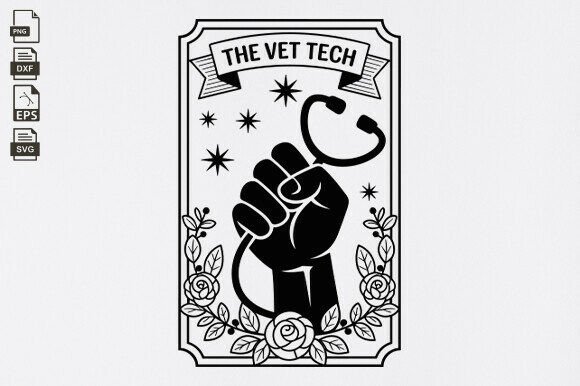
When I first opened the preview for Vet Tech, Veterinary Tech, Vet Nurse, the immediate takeaway was its versatility. The layout avoids the clutter often found in novelty designs, opting instead for a clean composition that suggests professionalism mixed with a touch of humor. The visual personality feels warm and inviting, perfectly capturing the spirit of veterinary technicians and nurses who spend their days caring for animals. It does not scream "novelty" in a cheap way; rather, it feels like a badge of honor.
The balance between text and imagery is crucial here. In many similar designs, the typography overwhelms the graphic element, making the final stitched product look messy. However, this design maintains a strong hierarchy. The shape flows naturally, which is a significant plus when considering how thread will wrap around curves. For a small shop product or boutique branding, this level of polish signals quality before the customer even touches the item. It creates a mood of camaraderie and pride, making it an excellent candidate for custom apparel or embroidered patches intended as holiday gifts.
Performance in Real-Life Embroidery Situations
To truly judge a digital product, we must simulate real-world application. Imagine preparing a custom embroidered tote bag for a local vet clinic's appreciation event. You load the Vet Tech, Veterinary Tech, Vet Nurse file into your software. As the machine starts, the fill stitch lays down smoothly, covering the canvas without excessive puckering. This is where the design shines. Unlike some dense files that require heavy stabilizer and risk distorting thin fabrics, this design appears optimized for a variety of surfaces.
I envision this design on a heavyweight sweatshirt for a busy veterinary technician. The contrast of the thread colors against a dark grey fleece would be striking, turning a simple garment into a statement piece. The running stitch details add texture without adding unnecessary bulk, ensuring the fabric remains soft and wearable. For those selling handmade products, the ability to offer high-quality sweatshirt embroidery can significantly increase the perceived value of your listing. Customers buying these items want to feel part of a tribe, and this design delivers that recognition effectively.
Consider also the application on baby embroidery projects, perhaps for a nursery of a pet-loving family. While the subject matter is professional, the gentle aesthetic allows it to transition well to softer goods like pillow covers or tea towels. The key is the stitch density. If the density is too high, it ruins the drape of a kitchen towel; if too low, the image looks patchy. Based on the visual structure of Vet Tech, Veterinary Tech, Vet Nurse, it seems balanced enough to handle both sturdy and delicate substrates, provided the correct hoop size is selected.
Navigating Challenges: Where Caution is Required
Even the best machine embroidery design requires careful handling. There are specific scenarios where Vet Tech, Veterinary Tech, Vet Nurse demands extra attention. First, consider textured fabrics. If you attempt to stitch this onto a thick cable-knit sweater or a heavily napped fleece, the intricate details might get lost in the weave. Always test the design on scrap fabric first to ensure the definition remains crisp.
Small hoop sizes present another challenge. If you are working on a cap or a curved surface, verify that the design fits comfortably within your 4x4 or 5x7 hoop without distortion. Curved surfaces like caps can cause registration issues if the design is too wide or if the stabilizer is insufficient. Additionally, tiny lettering within the design needs scrutiny. On dark fabric, light thread colors can sometimes appear fuzzy if the satin stitch width is not adjusted correctly. It is vital to check whether the design works for both personal and commercial projects by reviewing the fine print on legibility.
Frequent washing is a reality for workwear. An apron or scrub top used daily in a clinic will undergo rigorous laundering. Ensure that the thread tension is dialed in so that the stitches do not loosen over time. Using a proper stabilizer is non-negotiable here. A cut-away stabilizer will provide the necessary support for long-term durability, whereas a tear-away might leave the finished product vulnerable to wear and tear after several washes.
Impact on Product Value and Customer Trust
For an Etsy seller or a creative entrepreneur, the choice of design assets directly influences brand consistency and buyer engagement. When a customer purchases a personalized gift featuring Vet Tech, Veterinary Tech, Vet Nurse, they are investing in a sense of identity. A poorly executed stitch job undermines that trust instantly. Conversely, a sharp, well-defined embroidery project enhances the handmade presentation and justifies a higher price point.
This design elevates the finished product from a simple t-shirt to a meaningful token of appreciation. It speaks to the recipient's profession with respect and wit. In the realm of commercial embroidery, such clarity helps build a reputation for reliability. Clients returning for more orders appreciate seeing that the vendor understands the nuances of their industry. Whether you are creating printable mockups to showcase your portfolio or actually producing the items, the visual appeal of this design drives sales. It bridges the gap between a digital file and a tangible, cherished object.
Practical Designer Notes for Success
- Test Run: Always run a test on scrap fabric matching your final material to check for puckering or skipped stitches.
- Color Contrast: Review thread color options carefully. High contrast ensures readability, especially on complex backgrounds.
- Stitch Density: Inspect small details to ensure the fill stitch is not too dense, which can stiffen the fabric unnecessarily.
- Hoop Size Confirmation: Confirm the recommended hoop size before purchasing the file to avoid scaling issues that ruin proportions.
- Mockup Testing: Test the design in black and white mockups to visualize how it will look on different fabric tones before committing to expensive threads.
- Licensing Check: Since this is an instant download digital product, confirm licensing terms before selling finished items. Ensure you have the right to use it for commercial embroidery projects.
- Stabilizer Selection: Match the stabilizer type to the fabric weight. Heavyweight items need robust backing to maintain the integrity of the embroidery project.
In conclusion, Vet Tech, Veterinary Tech, Vet Nurse stands out as a robust addition to any designer's library. It balances humor with professionalism, offering a versatile tool for creating custom apparel, holiday gifts, and small shop merchandise. By respecting the technical requirements of machine embroidery and applying thoughtful execution, you can transform this digital file into a high-value, beloved finished product. Whether you are a seasoned pro or a budding crafter, this design offers a reliable foundation for connecting with the veterinary community through the art of stitching.