Just a Silly Goose on the Loose: A Designer Review
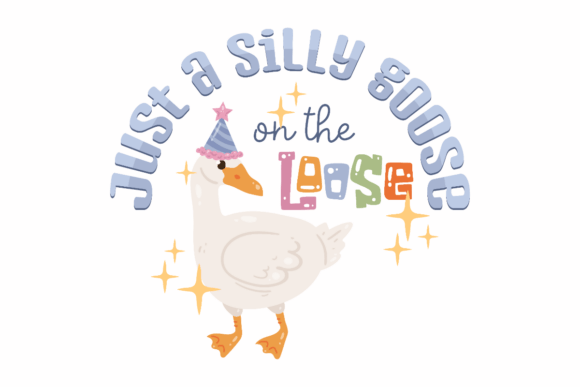
As someone who spends their days staring at hoops and thread charts, I know that not every machine embroidery design is created equal. Some files look perfect on a screen but fall apart under the needle. When I first opened the file for Just a Silly Goose on the Loose, I was immediately drawn to the chaotic energy of the concept. The description promises an adorable character embracing the chaos, featuring a fluffy white goose in a jaunty blue-striped party hat with a pink star. In the world of Crafts and digital Graphics, whimsical characters are often the hardest to execute well without looking cluttered or losing definition.
My first impression of this design was relief. It manages to balance detail with bold shapes, which is critical for any successful embroidery project. The visual personality is distinct; it’s not just a generic bird, but a specific character with attitude. This kind of narrative potential is exactly what small business owners and Etsy sellers need to stand out in a saturated market. Whether you are creating a personalized gift for a friend or building a line of boutique merchandise, the ability to tell a story through a single motif is invaluable.
Visual Impact and Stitch Potential
When evaluating a design like Just a Silly Goose on the Loose, I always consider how the different stitch types will interact. The "fluffy" nature of the goose suggests a heavy reliance on fill stitch to create texture and volume. If the stitch density is too high, the fabric might pucker, especially on softer materials. Conversely, if it is too low, the white feathers might look patchy against a light background. The blue-striped party hat introduces a challenge for color changes and registration. Stripes require precise alignment between the satin stitch borders and the fill areas. If the machine shifts even slightly, those stripes can wobble, ruining the jaunty look.
The pink star adds a focal point that draws the eye. In terms of thread colors, the combination of white, blue, and pink is versatile enough for both spring collections and holiday themes. However, the success of these colors depends entirely on the fabric texture you choose. On a smooth cotton twill, the colors will pop vibrantly. On a heathered grey sweatshirt, the white might get lost, requiring a backing layer or a darker outline to maintain visibility.
Real-World Application: The Custom Tote Scenario
To truly test this design, let’s imagine a real-life scenario. You are a maker preparing a batch of custom canvas tote bags for a local craft fair. These bags are meant to be fun, durable, and giftable. You decide to use Just a Silly Goose on the Loose as the centerpiece. Here is where practical judgment takes over.
Canvas is a sturdy fabric, but it has a weave that can catch the needle if the tension isn't right. Before stitching the final product, I would strongly advise testing the design on a scrap piece of the same canvas. Check how the running stitch handles the outlines of the goose's beak and eyes. Are they sharp? Do they bleed into the white fill? Once you confirm the settings, hoop the bag carefully. Because the design features a party hat, the overall shape is somewhat tall. Ensure your hoop size accommodates the full height without distorting the fabric. Distortion here could make the goose look stretched or lopsided, which kills the charm.
For a tote bag design, placement is key. Centering the goose on the front panel works well, but consider the weight of the thread. If the stitch density is high, the area might become stiff. For a bag that needs to fold flat or carry groceries comfortably, you might want to reduce the density slightly or use a lighter stabilizer. This attention to detail separates a professional finished product from a hobbyist attempt.
Navigating Fabric Challenges and Limitations
While Just a Silly Goose on the Loose is versatile, it is not a magic bullet for every surface. There are specific situations where this design requires extra caution. First, avoid using it on very thin or stretchy fabrics like jersey knit without significant reinforcement. The movement of the fabric during stitching can cause the intricate details of the hat to shift, leading to misalignment. If you must use it on a t-shirt, a tear-away or cut-away stabilizer is non-negotiable.
Dark fabrics present another hurdle. The white goose will stand out beautifully, but the blue stripes and pink star might disappear if the contrast isn't managed. You may need to add a white underlay or increase the saturation of the colored threads. Additionally, curved surfaces like caps can be tricky. The top of a cap is rounded, which can distort the vertical lines of the party hat. If you are doing cap embroidery, you might need to adjust the design's scale or position it lower on the panel to minimize distortion.
Detailed corners are also a risk area. If the goose's feet or the bottom of the hat have tight angles, the needle might struggle to turn sharply, potentially breaking needles or pulling threads. Always inspect the digitization of these areas. If the digital embroidery file shows jagged lines in the preview, expect similar issues on the machine.
Strategic Value for Craft Businesses
For the Etsy seller or the owner of a handmade shop, this design offers more than just a cute image; it offers brand consistency. Using a recurring character like this silly goose across various products—pillow covers, kitchen towels, aprons, and embroidered patches—creates a cohesive collection. Customers begin to recognize the style, which builds trust and encourages repeat purchases.
Think about the holiday embroidery market. A goose in a party hat fits perfectly into birthday themes, baby showers, or even New Year's Eve gifts. The versatility allows you to pivot your inventory without buying new designs. You can pair it with text for custom apparel or use it standalone for baby embroidery items like bibs or blankets. The playful nature of the design increases its giftability, making it an easy choice for customers looking for something unique rather than generic.
However, remember that selling finished goods containing this design requires careful attention to licensing. As a commercial embroidery asset, you must confirm the terms of use. Can you sell unlimited items? Is there a limit on the number of products? Understanding these constraints protects your business from legal issues down the road.
Practical Designer Notes for Success
If you decide to move forward with Just a Silly Goose on the Loose, follow these practical steps to ensure a flawless result:
- Test on Scrap Fabric: Never skip this step. Stitch the design on the exact fabric you plan to use to check for puckering and thread tension.
- Check Color Contrast: Preview the design in black and white mockups to ensure all elements remain visible before committing to expensive thread.
- Verify Hoop Size: Measure the design dimensions against your available hoops. Don't force a large design into a small space.
- Inspect Small Details: Zoom in on the eyes, beak, and star. Ensure the stitch count is sufficient to render them clearly without looking muddy.
- Use Proper Stabilizer: Match the stabilizer to the fabric weight. A heavy-duty option is better for thick canvas, while a lightweight one suits delicate linens.
- Review Licensing: Confirm whether the design is for personal use only or if it includes a commercial license for selling handmade products.
In conclusion, Just a Silly Goose on the Loose is a strong addition to any designer's library of design assets. Its charming aesthetic and clear lines make it suitable for a wide range of applications, from sweatshirt embroidery to personalized gifts. By approaching it with a critical eye toward fabric choice, stabilizer use, and stitch density, you can transform this digital graphic into a high-quality, professional-looking item that delights customers and elevates your brand.