It’s a Goose Thing: A Designer’s Review
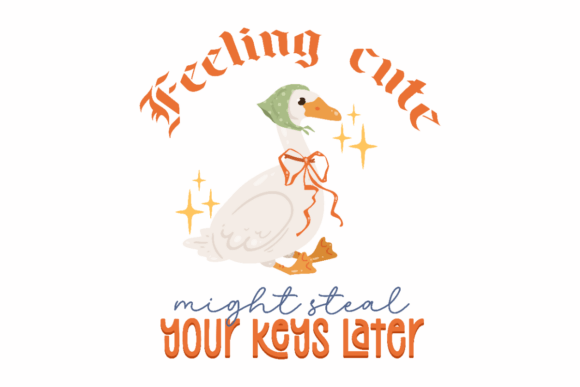
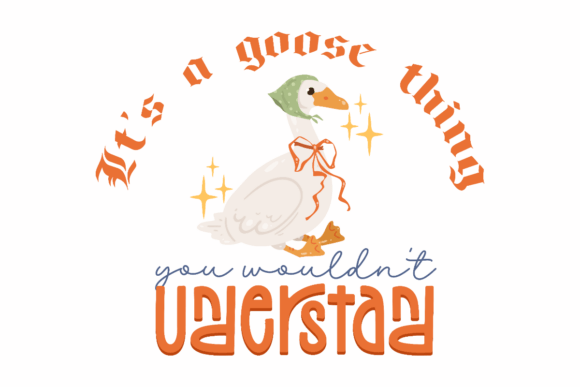
As someone who has spent years navigating the intersection of digital design and physical thread, I approach every new machine embroidery design with a mix of excitement and skepticism. The market is flooded with graphics that look perfect on a screen but fall apart under the needle. When I first opened the file for It’s a Goose Thing, I was immediately drawn to its charm. The concept—a fluffy white goose looking deceptively proper in a green polka-dot bonnet and a large orange bow—is undeniably whimsical. But does it translate from a pixelated preview to a high-quality finished product? That is the real test for any serious craft business owner or Etsy seller.
The First Impression: Mood and Visual Weight
The visual personality of It’s a Goose Thing is distinct. It leans heavily into the "cozy cottagecore" aesthetic that remains popular in the Crafts sector. The juxtaposition of the wild nature of a goose with the domesticity of a bonnet creates a humorous tension that works well for personalized gifts. From a design perspective, the layout is balanced. The goose occupies the center stage, while the surrounding elements frame the character without overwhelming it. This makes it versatile enough for various applications, yet specific enough to stand out in a crowded marketplace.
However, the success of this embroidery file depends entirely on how the stitch types are utilized. The description mentions twigs and natural elements, which suggests a need for varied textures. If the designer relies too heavily on dense fill stitch for the goose's feathers, the result could be stiff and unappealing on softer fabrics. Conversely, if the details in the bonnet are rendered with fine running stitch, they might get lost on textured materials like canvas or denim. As a reviewer, I am looking for a balance where the satin stitch defines the bow and the outline, while the fill provides volume without bulk.
Real-World Application: Where It Shines
Let’s talk about a practical scenario. Imagine you are preparing a line of custom apparel for the upcoming holiday season. You have a batch of heavy-weight cream-colored sweatshirts intended for a boutique shop. Placing It’s a Goose Thing on the left chest area of these sweatshirt embroidery projects would be a strategic move. The contrast between the white goose and the cream fabric requires careful selection of thread colors; a slightly off-white or light gray might provide better definition than pure white against a cream background.
This design also feels perfectly suited for tote bag design work. A sturdy cotton tote allows for a larger hoop size, giving the intricate details of the polka-dot bonnet room to breathe. For holiday embroidery projects, this graphic adds a touch of humor that resonates with customers looking for something more unique than standard snowflakes or reindeer. It fits seamlessly into a collection of handmade products that aim to feel personal and curated rather than mass-produced.
I can also see this working beautifully as an embroidered patch. By stabilizing the backing correctly, you could sell these as standalone accessories or sew them onto denim jackets and backpacks. The clear outlines and bold colors of the orange bow ensure that even when detached from the main garment, the image remains recognizable and sharp. For small shop merchandise, this kind of recognizable character helps build brand identity and customer engagement.
Navigating Challenges: Fabric and Hoop Considerations
While It’s a Goose Thing is charming, it is not without its technical challenges. One major consideration is the hoop size. The detailed nature of the bonnet and the surrounding twigs means that shrinking this design for a 4x4 inch hoop could result in muddy details. If you attempt to downsize it for a cap or a small baby item, you risk losing the clarity of the polka dots and the texture of the feathers. Always check the minimum recommended dimensions before committing to a project.
Fabric choice is equally critical. On textured fabrics like terry cloth or heavy wool, the fine lines of the design may not register clearly. Similarly, on stretchy fabric or thin knits, the density of the stitches could cause puckering. To mitigate this, using the correct stabilizer is non-negotiable. A tear-away stabilizer might suffice for woven cottons, but a cut-away or wash-away option is likely necessary for stretchy materials to maintain the integrity of the Graphics over time.
Dark fabrics present another hurdle. Since the primary subject is a white goose, embroidering this on black or navy material will require significant underlay and potentially multiple layers of white thread to achieve opacity. Without proper planning, the design could look translucent or washed out. Testing the design on scrap fabric first is essential to gauge the stitch density and color coverage.
Practical Notes for Designers and Makers
If you are considering using It’s a Goose Thing for your business, here are my professional recommendations:
- Test Before Production: Always run a test on the actual fabric you intend to use. Check for puckering, especially around the large orange bow where satin stitches might pull the fabric.
- Color Contrast: Review your thread colors carefully. Ensure the green of the bonnet stands out against the background fabric. Sometimes swapping a bright green for a forest green can add depth and sophistication.
- Licensing Check: Before selling finished items or offering this as a digital embroidery file, confirm the licensing terms. Many designers restrict commercial use unless a specific license is purchased.
- Mockup Strategy: Use printable mockups to visualize how the design looks on different products. Seeing it on a baby embroidery onesie versus a kitchen towel can help you decide the best placement and sizing.
- Stitch Density Analysis: Inspect the file for areas of high density. If the fill stitch is too tight, reduce the density in your machine settings to prevent stiffness in the final product.
Final Verdict on Value and Appeal
In the world of commercial embroidery, designs that tell a story perform best. It’s a Goose Thing does exactly that. It invites a reaction, sparks a smile, and fits naturally into the narrative of a cozy, handmade lifestyle. For creative entrepreneurs and apparel decorators, this design offers a strong opportunity to create design assets that feel both professional and personable.
The key to success lies in execution. By respecting the limitations of the design—such as avoiding overly small sizes and choosing the right fabric—you can turn this graphic into a best-selling item. Whether it ends up on a kitchen towel, a pillow cover, or a holiday gift, the quality of the stitching will determine the perceived value of the item. Customers trust brands that deliver crisp, durable, and well-thought-out embroidery. With careful preparation and attention to detail, It’s a Goose Thing has the potential to become a staple in your craft business portfolio.