Smiley Cactus: A Designer's Real-World Embroidery Review
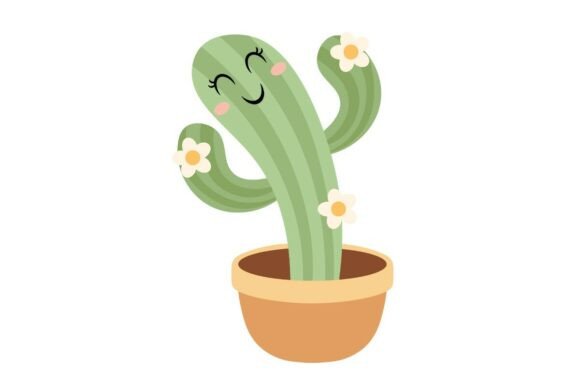
As someone who has spent years navigating the intersection of digital graphics and physical stitching, I approach every new machine embroidery design with a specific set of questions. Will it stitch out cleanly? How will the thread interact with the fabric texture? Most importantly, does this design add genuine value to a finished product? When I first opened the files for Smiley Cactus, I was looking for a versatile asset that could bridge the gap between whimsical nursery decor and bold streetwear branding. This particular character—a fun, wavy tall cactus with a happy expression and decorative white flowers—immediately stood out not just for its charm, but for its structural potential in a real-world embroidery project.
First Impressions: Character and Composition
The visual personality of Smiley Cactus is immediately engaging. The "wavy" nature of the cactus body suggests movement and softness, which is a critical factor when planning stitch density. Unlike rigid, geometric shapes that can sometimes look stiff after digitizing, the organic curves here invite a more fluid application of fill stitch. The happy expression is simple enough to remain recognizable even at smaller scales, yet distinct enough to convey emotion on a large sweatshirt embroidery piece.
What caught my eye specifically were the decorative white flowers. In digital Graphics, white details can sometimes get lost against light backgrounds or struggle to pop on dark fabrics without careful color selection. However, the placement of these flowers on the cactus arms creates natural focal points. For an Etsy seller or small shop owner, this detail level is perfect for elevating a basic item into a premium handmade product. It adds that extra layer of craftsmanship that customers appreciate when they hold the item in their hands.
Testing the Design: A Tote Bag Scenario
To truly evaluate this digital embroidery file, I imagined a specific use case: a custom embroidered tote bag for a local boutique. Tote bags are often made from canvas, a textured fabric that can challenge intricate designs. I visualized placing Smiley Cactus on the front panel, centered. The height of the cactus works well vertically, fitting nicely within standard 5x7 or 6x10 hoop sizes without feeling cramped.
In this scenario, the choice of thread colors becomes vital. If I were using a natural beige canvas, I would opt for a deep forest green for the cactus body to ensure contrast, while using a bright, slightly off-white thread for the flowers to mimic the delicate petals described in the design. The "wavy" lines of the cactus would likely benefit from a satin stitch border or a dense fill to prevent the canvas weave from showing through. The result would be a cheerful, durable tote bag design that feels both professional and playful. Customers browsing a craft fair would likely stop to touch the texture, drawn in by the friendly face and the quality of the stitching.
Navigating Fabric Challenges and Placement
While Smiley Cactus is versatile, experienced designers know that no design is universal. There are specific situations where caution is required. For instance, if you are attempting this on a stretchy jersey knit for a t-shirt, the wavy lines might distort if the wrong stabilizer is used. The tension of the machine combined with the elasticity of the fabric can pull those curves out of shape. I always recommend testing the design on scrap fabric first, especially when working with thin or stretchy materials.
Another area to consider is dark fabric. The description mentions "decorative white flowers." While beautiful, white thread on black fabric requires a high-quality underlay to prevent the dark threads from bleeding through the top stitches. Without proper preparation, those flowers could look muddy rather than crisp. Similarly, if you are considering this for a cap or curved surface, the width of the cactus needs to be checked against the curvature of the brim. The taller, wavy profile might require splitting the design into sections if the hoop cannot accommodate the full height without distortion.
Commercial Viability and Branding
For creative entrepreneurs and apparel decorators, the true test of a design is its commercial viability. Smiley Cactus fits perfectly into several trending categories. It is ideal for baby embroidery, where the happy expression appeals to parents looking for nursery decor or personalized gifts. It also works exceptionally well for holiday embroidery projects, such as kitchen towels or aprons, adding a touch of warmth to home goods.
When building a brand, consistency is key. Using a character like this across different products—perhaps an embroidered patch for hats and a larger version for pillow covers—creates a cohesive visual identity. The simplicity of the face ensures recognition, while the floral details allow for seasonal variations in thread colors. Whether you are selling custom apparel online or creating personalized gifts for a wedding shower, this design carries a positive emotional weight that resonates with buyers.
Practical Notes for the Professional Maker
Before committing to a production run or listing this as a small shop product, there are a few technical steps I strongly advise taking. First, verify the actual file formats included. The download mentions PNG and SVG files, which are excellent for print and cut applications, but if you are using a machine, ensure you have the correct embroidery file format compatible with your specific machine model. Do not assume the vector file translates directly to a stitch file without proper digitizing.
Secondly, check the licensing terms carefully. As a designer, you need to know if you are allowed to sell the finished items or if the license is restricted to personal use only. This is crucial for any commercial embroidery business. Finally, always create a printable mockup before stitching. Seeing the design in black and white helps you judge the contrast and spacing, ensuring that the final finished product looks as good in reality as it does on the screen.
Final Verdict on Smiley Cactus
In conclusion, Smiley Cactus is a delightful addition to any designer's library. Its balance of simple geometry and organic flow makes it forgiving for beginners yet detailed enough for professionals. It shines in applications like creative branding, greeting cards, and apparel decoration. By paying attention to fabric choices, stabilizer usage, and thread contrast, you can turn this charming graphic into a high-quality, market-ready item. For anyone looking to inject some joy into their Crafts portfolio, this design is a solid, reliable choice that promises happy results.