Raccoon Lost in Space: A Designer's Review
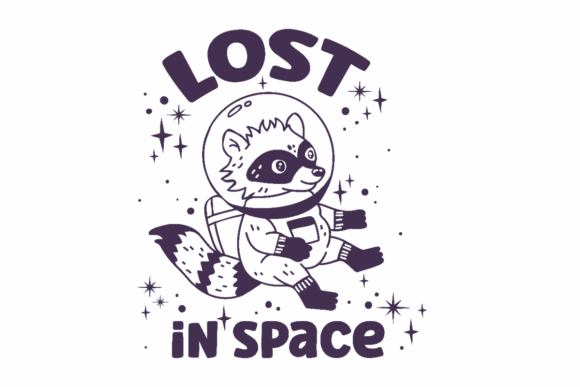
As someone who has spent years navigating the intersection of digital art and physical stitching, I approach every new machine embroidery design with a critical eye. It is not enough for a file to look good on a screen; it must translate seamlessly into thread, stabilizer, and fabric. Recently, I downloaded the Raccoon Lost in Space graphics file to evaluate its potential for my upcoming collection of space-themed nursery items and boutique apparel. The concept is immediately striking: an adorable raccoon astronaut, complete with a bubble helmet and jetpack, floating among the stars. But does this whimsical character hold up under the scrutiny of real-world production?
First Impressions: Character and Composition
The first thing that jumps out about Raccoon Lost in Space is its personality. In the world of Graphics, many designs rely on generic shapes or overly complex details that get lost during digitization. This design strikes a balance between charm and clarity. The raccoon, often affectionately called a "trash panda," has been stylized with just enough detail to be recognizable without becoming a stitch-count nightmare. The bubble helmet adds a distinct silhouette that works well against starry backgrounds, while the jetpack provides a dynamic element that suggests movement.
When I opened the file to inspect the stitch structure, I was pleased to see a thoughtful distribution of fill stitch and satin stitch. The fur texture is suggested through directional fills rather than excessive outlining, which is crucial for maintaining softness in the final product. The eyes are large and expressive, utilizing a clean running stitch border that ensures they remain sharp even on smaller hoop sizes. For an Etsy seller or small shop owner looking to add a unique touch to their inventory, this level of visual intelligence is essential. It creates a mood that is both funny and heartwarming, perfect for capturing the attention of customers browsing for handmade products.
Real-World Application: From File to Fabric
To truly test Raccoon Lost in Space, I imagined two specific scenarios from my recent workflow. First, I considered using it as a central motif on a custom embroidered tote bag made of heavy canvas. The sturdy nature of the canvas would support the weight of the thread, allowing the raccoon's features to pop. The contrast of dark thread against a light background would highlight the raccoon's mask and the metallic sheen of the jetpack. This application feels natural; the design has enough presence to anchor a large bag without overwhelming it.
Secondly, I visualized this design on a baby onesie or a soft sweatshirt for a toddler. This is where the "Lost in Space" theme really shines. Parents love unique, story-driven baby embroidery that moves beyond standard animals. The raccoon astronaut offers a narrative hook—perhaps part of a set with other space travelers. However, when moving to stretchy fabrics like jersey knit, one must be cautious. The density of the fill stitch in the body needs to be balanced so the fabric doesn't pucker. If you are planning sweatshirt embroidery, I strongly recommend testing the design on scrap fabric first to ensure the tension settings allow the garment to drape naturally after washing.
Ideal Product Fits
- Embroidered Patches: The clear outlines make this design excellent for creating standalone patches that can be sewn onto denim jackets or backpacks.
- Nursery Decor: Pillow covers and wall hangings benefit from the playful theme, adding a celestial touch to a child's room.
- Holiday Gifts: As a personalized gift, this design stands out. Imagine a holiday ornament or a festive apron featuring the raccoon astronaut.
- Custom Apparel: Caps and hats work well if the design is resized appropriately, though curved surfaces require careful hooping.
Technical Considerations and Potential Pitfalls
While Raccoon Lost in Space is a strong contender for commercial embroidery, there are areas where caution is required. One common issue with character-based designs is the handling of tiny details on textured fabrics. If you attempt to embroider this on a highly textured linen or a thick fleece, the fine lines of the raccoon's face might get obscured by the fabric weave. Always check the fabric texture before committing to a full run.
Another consideration is the use of dark fabrics. While the design looks great in black and white mockups, the thread colors need to be carefully selected for dark backgrounds. The raccoon's fur is typically grey or black, which could disappear on a navy blue or charcoal sweatshirt. You may need to adjust the color palette or use a lighter backing to ensure visibility. Additionally, if you are working with thin fabrics, the density of the jetpack area could cause puckering. Using the correct stabilizer is non-negotiable here. A tear-away stabilizer might suffice for cotton, but a cut-away is likely necessary for knits to maintain the integrity of the design over time.
For those considering this for small shop merchandise, pay close attention to the hoop size. While the design is versatile, pushing it too small will sacrifice the charm of the raccoon's expression. Conversely, stretching it too large without increasing the stitch count could lead to gaps in the fill stitch. Always review the stitch density in your embroidery software before loading the machine.
Business Value and Customer Appeal
In the competitive landscape of Crafts, standing out requires more than just a cute image; it requires a cohesive brand identity. Raccoon Lost in Space offers a unique angle that appeals to a wide demographic, from parents to sci-fi enthusiasts. Its versatility allows it to function as a hero product in a boutique listing or as a complementary item in a larger collection. The "space explorer" theme is timeless yet trendy, making it a safe bet for seasonal collections, particularly around holidays or back-to-school seasons.
From a customer trust perspective, high-quality execution of this design signals professionalism. When a buyer receives a finished product where the stitches are tight, the colors are vibrant, and the details are crisp, it reinforces the value of your handmade goods. This design, when executed correctly, enhances the perceived quality of the item. Whether you are selling a tote bag design on Etsy or offering personalized gifts at a craft fair, the emotional connection created by such a charming character can drive repeat business and positive reviews.
Final Designer Notes and Best Practices
Before integrating Raccoon Lost in Space into your workflow, follow these practical steps to ensure success:
- Test Stitching: Always run a test on a scrap piece of the actual fabric you intend to use. Check for puckering, thread breaks, and registration issues.
- Color Contrast: Verify that your chosen thread colors provide sufficient contrast against the fabric background, especially for facial features.
- Stabilizer Selection: Match your stabilizer to the fabric type. Do not skimp here, as it affects the longevity of the embroidery.
- Licensing Check: Confirm the licensing terms of the digital embroidery file. Ensure you have the right to sell finished items or use the design in commercial projects.
- Mockup Testing: Use printable mockups to visualize how the design looks on different products before purchasing materials.
In conclusion, Raccoon Lost in Space is a delightful addition to any designer's library. It combines technical soundness with genuine charm, making it a viable option for everything from holiday embroidery to everyday custom apparel. By respecting the nuances of fabric, stabilizer, and stitch density, you can turn this digital asset into a tangible product that delights customers and elevates your brand. Whether you are a hobbyist or a seasoned entrepreneur, this raccoon astronaut is ready to blast off in your next project.