Freak in the Sheets: A Designer's Embroidery Review
As a designer who has spent years curating digital assets for both personal projects and commercial craft businesses, I approach every new machine embroidery design with a critical eye. The market is flooded with generic Halloween graphics, but finding a piece that balances spooky charm with actual stitchability is rare. That is exactly why I decided to pull up the Freak in the Sheets file before committing it to my next batch of holiday inventory. This isn't just about downloading a graphic; it is about understanding how a digital embroidery file translates from a screen into a tangible, sellable product.
The First Impression: Spooky Yet Playful
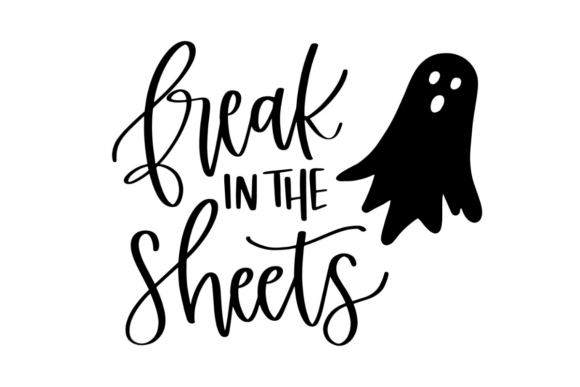
When you first load Freak in the Sheets into your digitizing software or previewer, the mood is immediately established. It leans heavily into the "spooky-yet-playful" aesthetic described in its marketing, which is a sweet spot for the current Halloween season. The design features a charming hand-lettered script paired with a whimsical graphic element. In the world of Graphics, this combination is powerful because it suggests personality rather than just decoration.
From a visual standpoint, the layout feels balanced. The script does not overwhelm the imagery, and the negative space appears sufficient to allow for clean stitching without excessive density. For an Etsy seller or boutique owner looking to elevate their brand, this kind of design asset signals quality. It moves away from the cheap, pixelated look often found in mass-market templates and offers something that feels curated and intentional. However, seeing it on a monitor is only half the battle. The real test lies in how it performs when thread meets fabric.
Real-World Application: From File to Finished Product
To truly evaluate Freak in the Sheets, I imagined a specific scenario: creating a limited run of custom embroidered tote bags for a local craft fair. Tote bags are a staple for any craft business, but they present unique challenges due to the thickness of the canvas and the movement of the fabric during stitching. When I visualized placing this design on a natural cotton tote, the contrast between the playful script and the rustic texture of the bag seemed perfect. The whimsical nature of the design would likely resonate well with customers looking for a fun, non-threatening Halloween accessory.
I also considered how this embroidery project would translate to custom apparel. Imagine a heavy-weight sweatshirt in a deep charcoal grey. The thread colors used in Freak in the Sheets would need careful selection to ensure visibility against the dark background. If the design relies on light fills, the fill stitch density becomes critical to prevent the dark fabric from showing through. Conversely, if applied to a baby item or nursery decor, the softer, playful tone makes it suitable for younger audiences, provided the stitch density is adjusted to keep the fabric from puckering on delicate materials.
For those selling personalized gifts, this design offers versatility. It could be adapted into an embroidered patch for jackets or hats, or even scaled down for a small pillow cover. The key is recognizing that while the design is versatile, it requires thoughtful placement. On a curved surface like a cap, the lettering might distort if the hoop tension isn't managed correctly. As a professional, I always advise testing the design on scrap fabric first to see how the satin stitch and running stitch elements behave under tension.
Navigating Technical Challenges
While Freak in the Sheets looks promising, there are areas where caution is required. One major consideration is the hoop size. Hand-lettered scripts can sometimes contain tight curves or sharp angles that struggle in smaller hoops. If you attempt to force this design into a 4x4 hoop without adjusting the scale, you risk losing the clarity of the lettering. Always check the recommended dimensions before starting your embroidery file import.
Fabric texture is another variable. On highly textured fabrics like terry cloth or thick denim, fine details in the script might get lost. The stitch density needs to be high enough to anchor the design but low enough to avoid sinking into the weave. Additionally, if you plan to use this on stretchy fabrics, such as jersey knit for t-shirts, the choice of stabilizer becomes paramount. Without proper backing, the whimsical shapes could warp after the first wash, ruining the presentation of your finished product.
Dark fabrics require special attention as well. If the design includes light-colored threads, you may need to add a layer of underlay or consider an applique design technique to make the image pop. Testing the design in black and white mockups beforehand can help you visualize contrast issues before you waste expensive thread. Remember, a great design on paper can fail on the machine if the technical execution isn't sound.
Strategic Value for Your Craft Business
For the small shop product creator, using a high-quality asset like Freak in the Sheets directly impacts customer trust and perceived value. A clean, well-executed Halloween collection stands out in a crowded marketplace. When customers see a cohesive theme with professional-grade stitching, they are more likely to engage with your brand and return for future purchases. This design adds a touch of professionalism that separates handmade goods from generic imports.
However, before integrating this into your commercial lineup, you must confirm the licensing terms. Ensure that the digital product license allows for the sale of finished items. Some designers restrict the number of items you can sell or prohibit the resale of the digital embroidery file itself. As a responsible entrepreneur, verifying these details protects your business and respects the original artist's work.
Final Thoughts for the Maker
Freak in the Sheets represents a solid opportunity for designers looking to inject some seasonal flair into their portfolio. Its blend of hand-lettered charm and whimsical imagery fits perfectly within the Crafts category, offering a fresh take on traditional Halloween motifs. Whether you are making a single personalized gift or preparing a full line of commercial embroidery products, the success of this project hinges on preparation.
Take the time to test the stitch density, choose the right stabilizer, and select thread colors that complement your fabric. By treating this embroidery design with the care it deserves, you can create a standout piece that delights customers and strengthens your reputation as a skilled maker. In the end, it is not just about the file you download, but how you bring it to life in the real world.