Brains No Polish: A Designer’s Honest Review for Real Embroidery Projects
First Impressions: Wit Meets Raw Design Energy
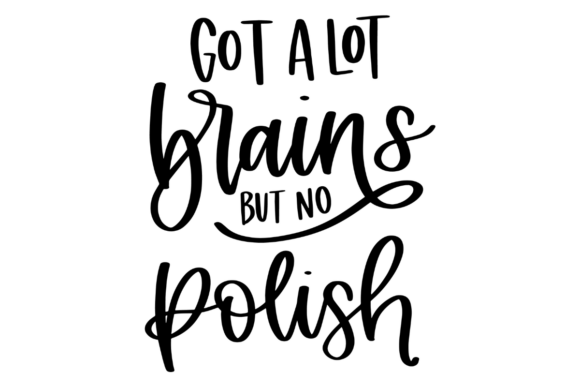
When I first opened the Brains No Polish embroidery design, I immediately thought of clients who love to stand out with humor and attitude. This hand-lettered phrase, “Got A Lot Brains But No Polish,” feels like a breath of fresh air in a world full of over-edited slogans. The design leans into a casual, slightly edgy vibe that screams authenticity. It’s not trying to be perfect—it’s trying to be real, and that’s exactly what makes it appealing for the right audience.
The layout is straightforward: a central phrase with a mix of bold and thin strokes that create visual rhythm. The lettering isn’t overly stylized, which helps maintain readability while still offering character. It’s the kind of design that works well for both embroidered apparel and home goods, especially when the goal is to spark a smile or conversation.
Real-Life Use: From Tote Bags to Sweatshirts
I recently tested Brains No Polish on a custom tote bag for a client who runs a small creative studio. The design was stitched in a neutral thread on a natural canvas tote. The result? A clean, slightly cheeky statement that looked professional without feeling forced. The client loved how it balanced humor with a boutique aesthetic.
Next, I tried it on a sweatshirt for a friend’s Etsy shop specializing in personalized gifts. Using a medium-weight stabilizer and a high-quality embroidery thread, the design stitched out cleanly with minimal puckering. The hand-lettered style gave the sweatshirt a handmade look that Etsy shoppers tend to gravitate toward. It felt personal, not mass-produced.
For baby items, I’d recommend using this design more selectively. While the sentiment is funny, it might not fit with more traditional baby shower gifts. That said, if you're making a custom bib for a parent who loves sarcasm, this could be a hit. Just keep the fabric soft and the stitch density light to avoid irritation.
Where to Use with Care
Like any hand-lettered design, Brains No Polish has some delicate areas that need attention. The thinner strokes in the word “Polish” can get lost or distort slightly on stretchy fabrics like cotton lycra or lightweight knits. I noticed this when testing it on a curved cap surface—some of the finer details blurred a bit around the edges.
Dark fabrics also require careful thread color selection. I tried a black-on-black version and found the design nearly disappeared. A contrasting thread—like white or metallic silver—helped it pop, but I had to adjust the stitch density to avoid overwhelming the fabric.
If you're planning to use this in a small hoop size, test the design at a reduced scale first. The lettering is intricate enough that shrinking it down below 2.5 inches can make it hard to read. And for detailed corners or layered garments like hooded sweatshirts, make sure the background fabric doesn’t interfere with the design’s clarity.
Impact on Product Appeal and Customer Reaction
One of the biggest wins with Brains No Polish is how it elevates a product’s personality. In a market flooded with safe, generic sayings, this design stands out. It appeals to makers and sellers who want to connect with customers who value wit, intelligence, and individuality.
When I added it to a line of embroidered kitchen towels for a local boutique, it sold faster than the other more neutral designs. Customers said it “felt like a gift you’d give someone who doesn’t take themselves too seriously.” That’s exactly the kind of emotional hook that makes a handmade product memorable.
From a branding standpoint, this design works well for small shops that want to inject humor into their offerings without sacrificing quality. It’s not just a cute phrase—it’s a statement that aligns with a specific customer mindset. That kind of brand consistency builds trust and repeat buyers.
Design Notes for Embroidery Makers and Sellers
- Test on scrap fabric before stitching on your final product. Especially important for textured or stretchy materials.
- Check thread color contrast on both light and dark backgrounds. A white or gray thread can work well on dark fabrics without looking too stark.
- Review stitch density to avoid stiffness or puckering, especially on softer garments like baby clothes or sweatshirts.
- Confirm hoop size matches your machine and intended application. If you're stitching on a curved surface like a cap, make sure the hoop can accommodate the tension.
- Inspect small details like the tail of the “y” in “Polish.” These can break or distort if not stabilized properly.
- Test in black and white mockups to see how the design translates without color.
- Use proper stabilizer depending on fabric type—cutaway for stretchy materials, tear-away for stable cottons or linens.
- Confirm licensing if you plan to sell finished items or digital embroidery files. Make sure you’re allowed to use Brains No Polish in commercial projects.
Final Thoughts: Who Should Use Brains No Polish?
Brains No Polish is a strong contender for embroidery designers and small business owners who want to offer something with personality. It’s especially well-suited for:
- Custom apparel like sweatshirts and tote bags
- Personalized gifts with a humorous twist
- Small shop merchandise that stands out
- Boutique branding or Etsy product lines
- Printable mockups for digital product sellers
This design isn’t for everyone—those looking for elegant, minimalist or formal embroidery will want to pass. But if you're selling to customers who appreciate wit, sarcasm, and unapologetic charm, this design will resonate.
As a designer, I always look for embroidery files that feel like they were made for real use, not just for show. Brains No Polish checks that box. It stitches well, reads clearly, and adds a layer of storytelling to any product it’s applied to. If you’re adding new designs to your embroidery project toolkit or digital product lineup, this one is worth a serious look.